Planning 25–36 seater coach berlin
Planning 25–36 seater coach berlin starts with the complete itinerary rather than the vehicle alone. 25–36 passengers vehicle category for medium groups, event shuttles and intercity journeys. A private vehicle with driver can keep the group on one timetable and reduce the need to coordinate taxis, public transport or several cars between hotels, airports, stations, venues and attractions.
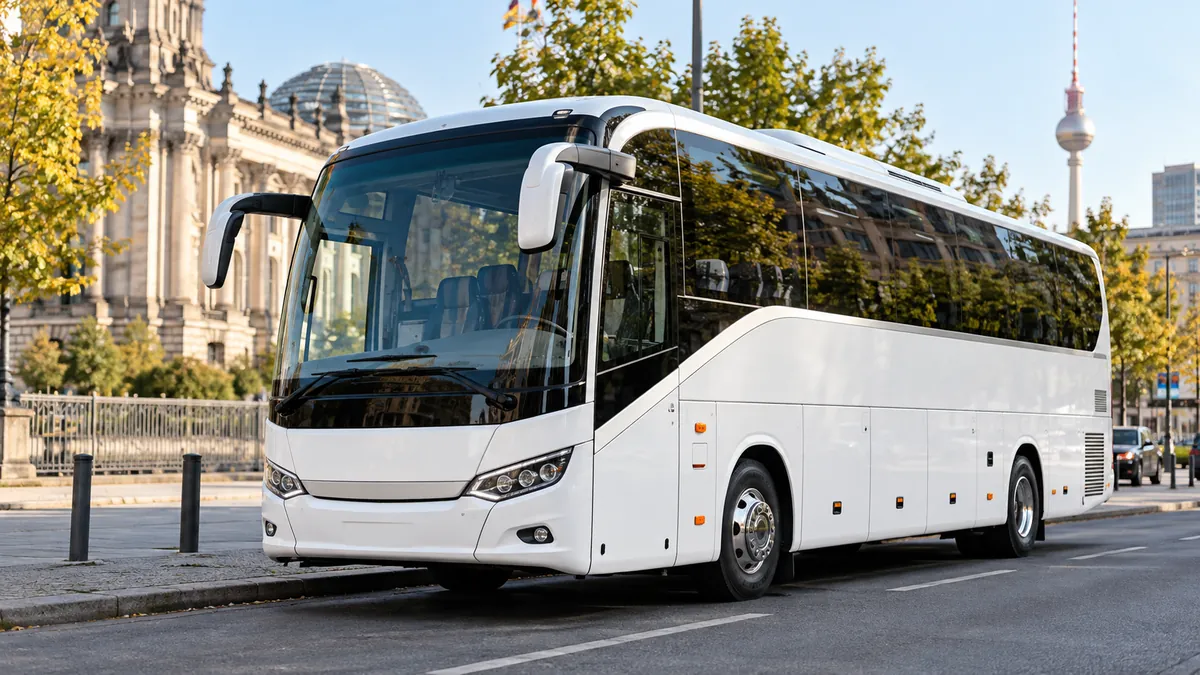
Berlin is a large, spread-out capital with a historic centre, government quarter, major railway stations, exhibition grounds, arenas and residential districts connected by busy urban roads. Group transport therefore works best when pickup access, loading time and traffic are considered in advance. Coaches may need designated stopping areas rather than the closest possible doorway at pedestrianised streets, protected landmarks or major event sites.
What to include in your transport plan
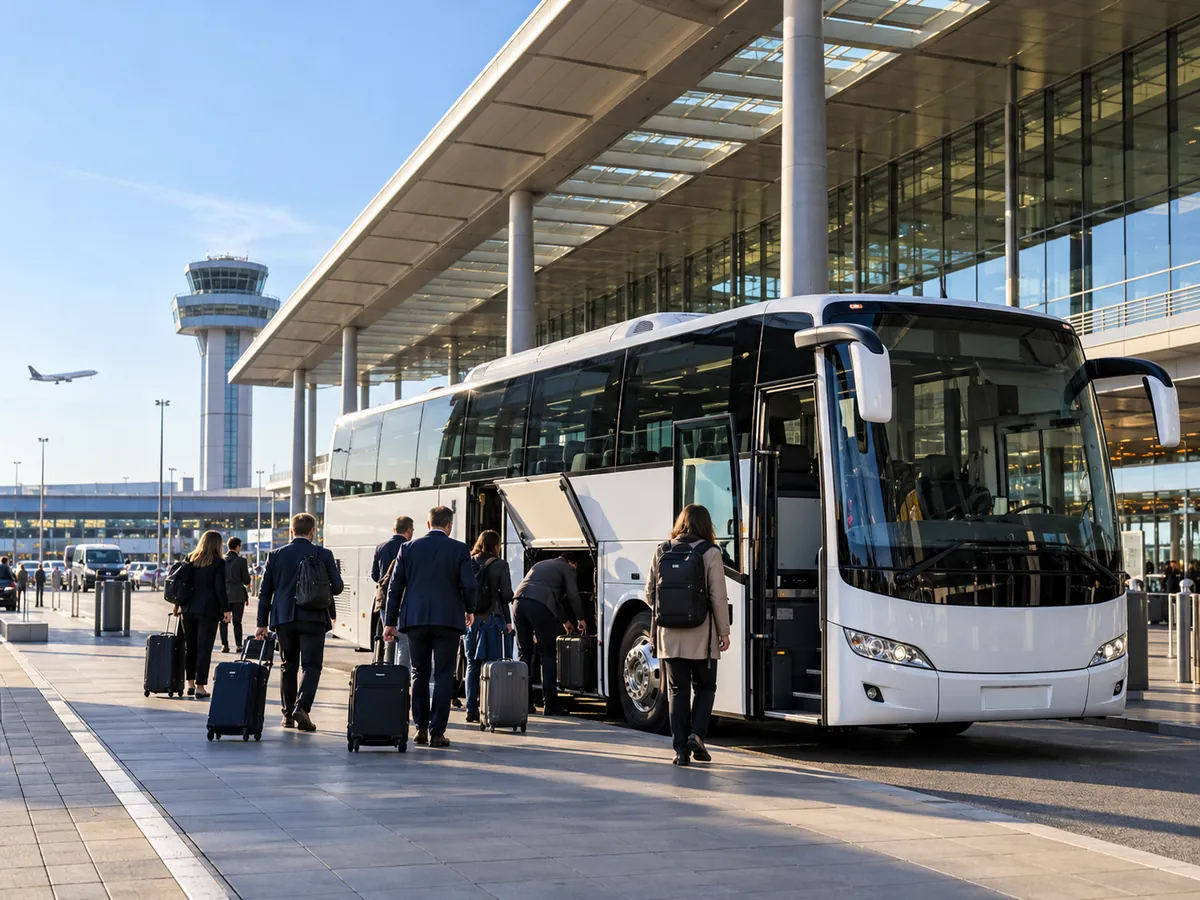
For airport work, include the flight number, landing time, terminal, passenger count and approximate luggage. For railway transfers, give the exact station and train details. For conferences or events, add the required arrival time, finish time, hotel list and whether departures are simultaneous or staggered. This information helps determine whether the job suits a car, MPV, minibus, single coach or multi-coach plan.
Vehicle selection should be based on seats, luggage and route length. Fifteen passengers with large suitcases may require more capacity than fifteen people travelling locally without bags. The same applies to orchestras, sports teams, exhibition crews and school groups carrying equipment. If wheelchair access, child seating or a particular onboard feature is essential, request it before payment so a suitable vehicle can be confirmed.
Berlin is also a practical starting point for touring across Germany and Central Europe. Potsdam, Dresden, Leipzig and Hamburg are common additions to domestic programmes, while Prague and other cross-border destinations can be included in multi-city itineraries. Longer journeys should be quoted from the complete programme because distance, driver hours, parking, road charges and overnight requirements can affect the operating plan.
Routes, touring and regional travel
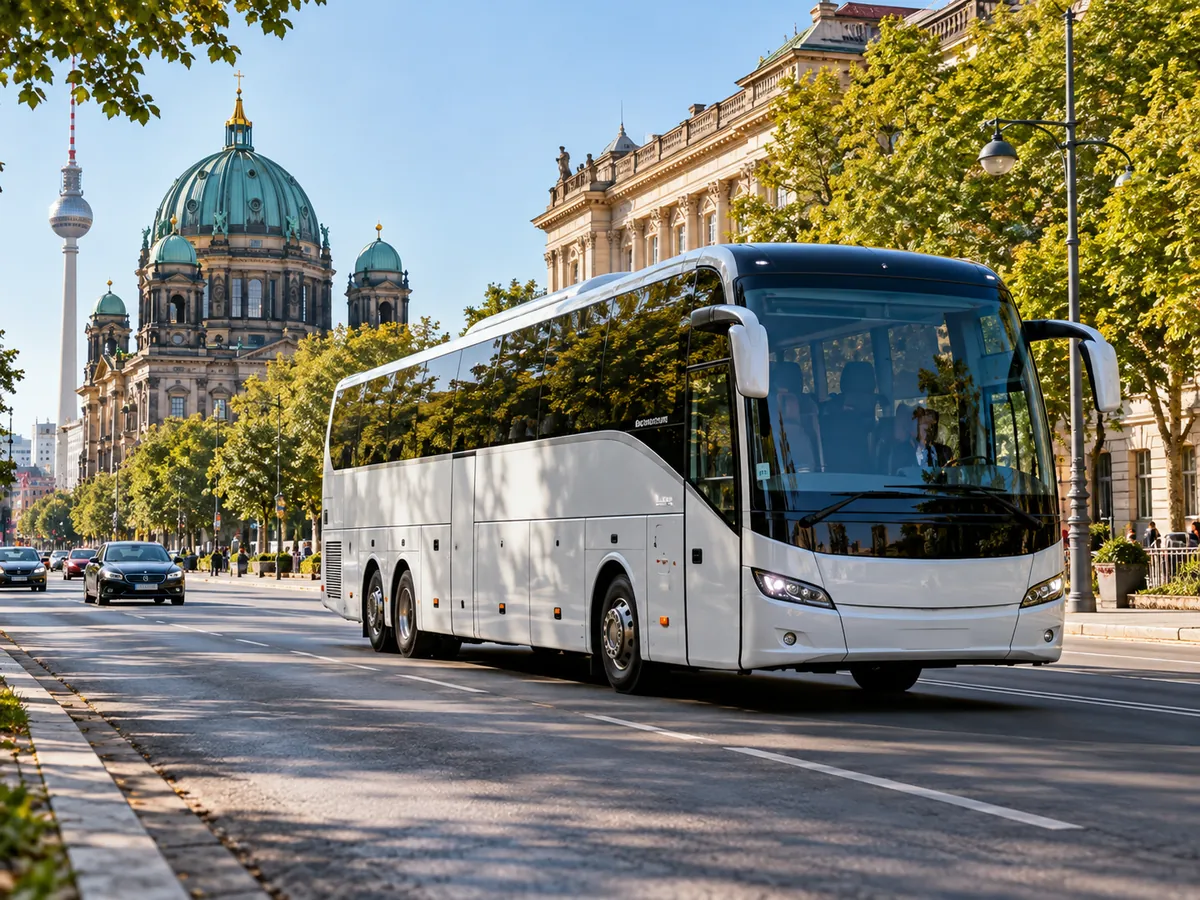
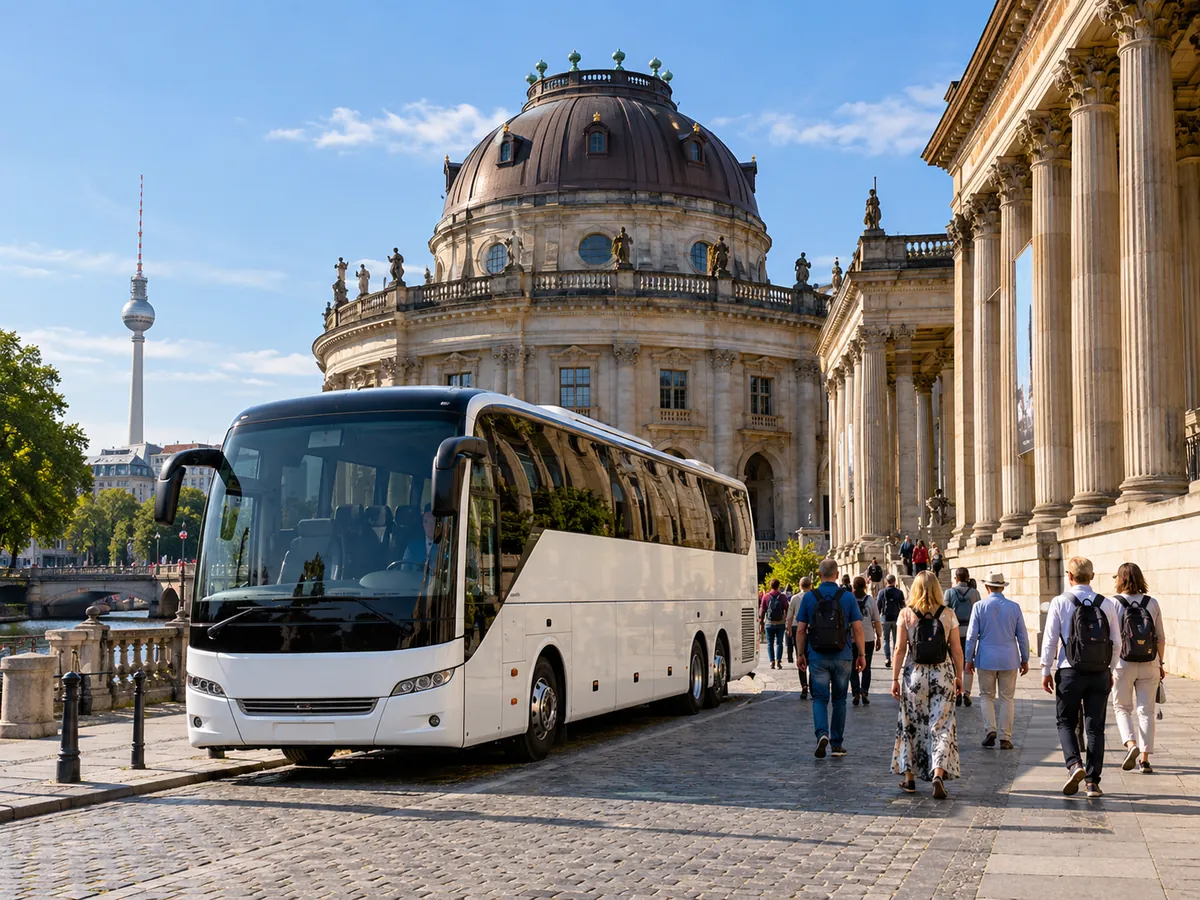
For sightseeing, an efficient programme usually combines a manageable number of stops. Berlin landmarks such as Brandenburg Gate, the Reichstag, Museum Island, the East Side Gallery and the Wall Memorial each need realistic visit time. Groups travelling outside the city may build full-day programmes around Potsdam, Sachsenhausen or the Spreewald rather than trying to add too many distant stops.
Corporate and conference groups often need clear meeting points, signage, hotel-to-venue shuttles and contingency time around peak arrival periods. Messe Berlin and CityCube create different access patterns from central hotels or the government district. A written passenger list and pickup plan can prevent confusion when several vehicles, hotels or departure waves are involved.
Pricing is best assessed as a complete transport service rather than only a headline hourly rate. The route, total duration, kilometres, parking, waiting, driver time, overnight requirements and international travel can all influence the final quotation. Supplying the full itinerary at the first stage reduces revisions and makes vehicle allocation more accurate.
For schools, weddings and private groups, nominate one lead contact and confirm each pickup point in writing. If several hotels or venues are involved, list them in the intended order. For weddings, include ceremony and reception times; for school travel, include supervision and any required safety or accessibility information.
Seasonality and major events can change the operating plan. Trade fairs, concerts, football fixtures, festivals and public events can increase traffic and demand around Messe Berlin, Olympiastadion, Uber Arena, the city centre and BER Airport. Groups travelling on fixed schedules should build in sensible contingency time and share any hard deadlines such as flight departures, performance calls or conference registration times.
For multi-day touring, keeping one coordinated transport plan can make luggage handling and group management easier. The organiser should still confirm each day’s route, hotel loading point, driver start time and final drop-off. Where a programme crosses borders or includes long days, the schedule must allow for applicable driver-hours rules and practical rest periods.
To request a quotation, send the pickup location, destination, date, passenger count and luggage. For multi-day work, include each day’s first departure, major stops and expected finish time. Add flight numbers for airport transfers and venue details for events. The booking team can then match the enquiry to an appropriate vehicle category and operating plan.
Related Berlin transport pages
Booking note: exact vehicle models, luggage capacity, amenities, pickup access and operating arrangements vary by supplier and itinerary. Confirm any essential requirement before payment.
Choose the right vehicle
Use the fleet guide to compare cars, MPVs, minibuses, mini coaches and full-size coaches. Passenger count is the starting point, but luggage and access can change the most suitable option.
Request an itinerary-based quote
Send pickup points, destination, date, passenger numbers and operating times. For airports and stations include flight or train numbers; for venues include event times; for multi-day programmes include every overnight location and planned excursion.